Doctor Talks About Hormones, PCOS, Period Problems & More
“Are constant fatigue, irregular periods, mood swings, and unexplained weight gain stopping you from a better life?”
You are not alone.
Let’s look at some numbers. India ranked 95th in the Global Women’s Health Index. Women experience 80% more neurological disorder cases than men. Women face a 50% greater likelihood of misdiagnosis following a heart attack compared to men, and diabetic women have a 44% higher stroke risk than diabetic men. Many women experience health concerns related to hormonal changes, reproductive health, metabolism, and mental well-being. However, these symptoms are often ignored or considered a normal part of being a woman.
“A Holistic Approach to Women’s Health at Arogya Sadan”
Women’s health is not limited to menstrual cycles or reproductive organs. It includes hormonal health, metabolic function, digestive health, emotional well- being, sleep, and long-term disease prevention.
Role of Preventive care:
Women experience diagnostic delays sometimes by several years. India holds a low score of 13 in preventive health practices, including blood pressure, diabetes, and cancer screening. Preventive healthcare is equally important. Women’s health extends far beyond reproductive care. Better preventive screening, timely diagnosis, and comprehensive care are essential to closing the gender health gap. Regular check-ups, appropriate cervical cancer screening, breast health awareness, and age- and risk-appropriate investigations can help identify health concerns early.
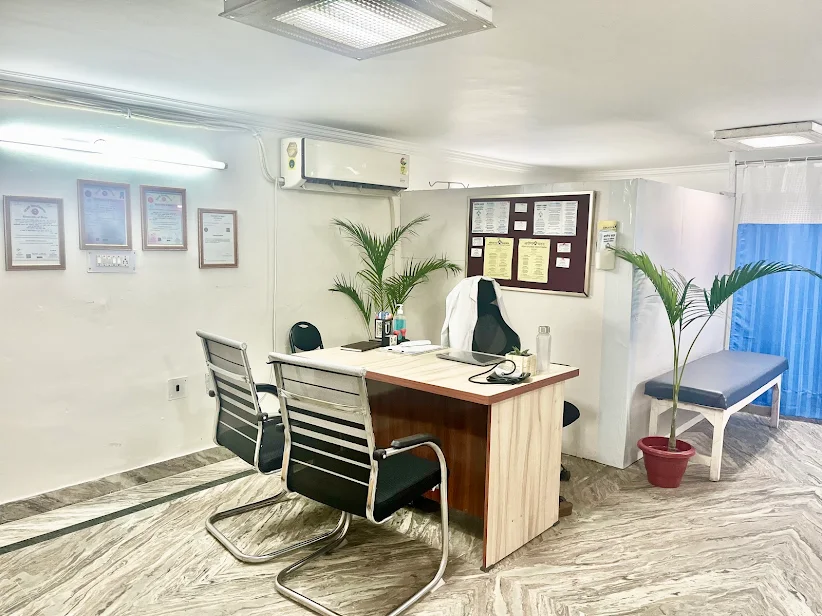
At Arogya Sadan – Medical & Surgical Speciality Clinic, Noida Sector 12, our approach focuses on understanding your symptoms, reviewing your medical history, identifying risk factors.
“We, at Arogya Sadan, Noida Sector 12, Organise a Monthly Free Screening Camp for women of all ages and backgrounds. “
BOOK YOUR SLOT. Form Link: https://forms.gle/QXJn2mHEsd4ughBEA.
Depending on your needs, your care may include:
• Assessment of PCOS, menstrual irregularities, and lifestyle-related concerns.
• Breast cancer, Cervical cancer & Anorectal disease screening and examination.
• Evaluation of thyroid, metabolic, and weight-related symptoms.
• Support for gut health and digestive complaints.
• Guidance on nutrition, sleep, physical activity, and stress management.
“Our aim is to help you make informed decisions about your health.”
Let’s understand some of the most common women’s health problems. Click to get the symptom analysis form. FORM Link: https://forms.gle/7hrNwGhYwEpKMUVr9
1. Common Period Problems
-Doctor, my periods are getting delayed by several days, and both the duration and flow have decreased to just two days. Is this normal?
For women periods are an important indicator of not just reproductive health but your overall health too. Menstrual changes can occur due to stress, weight fluctuations, hormonal imbalances, thyroid disorders, PCOS, perimenopause, or other underlying conditions.While a two-day period can be normal for some women, a persistent change from your usual cycle deserves attention. If your periods are-
- Frequently irregular; absent for several months, - Change in color, or odur
- Presence of clots
- Accompanied by significant pain
- Unusually heavy or scanty; unexpected bleeding or spotting in between.
Mild cramps can be common, but severe menstrual pain and heavy bleeding should not be dismissed. Possible causes include fibroids, adenomyosis, endometriosis, hormonal disturbances, and other gynaecological conditions. Heavy bleeding that repeatedly soaks through a pad every hour, especially with dizziness or weakness, severe or sudden pelvic pain. needs urgent assessment.
Remember, not every irregular period is PCOS. Depending on the underlying cause, you may also experience acne, excessive facial hair, scalp hair thinning, unexplained weight changes, or difficulty conceiving. It is important to seek medical evaluation rather than simply waiting for your cycle to become regular. Identifying the underlying cause early can help prevent complications and guide appropriate treatment.
2. PMOS Vs PCOS Vs PCOD (Polyendocrine Metabolic Ovarian Syndrome)
Doctor, I know PCOS but what is PMOS. What has changed?
PMOS is the new name for PCOS, following an international consensus published in The Lancet in May 2026. The new name better reflects the condition’s effects on hormones, metabolism, and ovarian function—not just the ovaries.
- What are the symptoms of PMOS?
Symptoms may include irregular or missed periods, acne, excessive facial hair, scalp hair thinning, difficulty conceiving, and weight changes. Some women may also have insulin resistance, abnormal cholesterol levels, or an increased risk of type 2 diabetes. Anxiety, depression, and other mental health concerns can also occur.
- Does PMOS always cause weight gain or ovarian cysts?
PMOS can affect women of different body sizes, and weight gain is not essential for diagnosis. Diagnosis depends on the clinical picture and appropriate investigations, not ultrasound findings alone.
Remember, PMOS is a complex hormonal and metabolic condition—not simply an ovarian problem. Early diagnosis and personalised care can help manage symptoms and reduce long- term health risks. Management may include lifestyle modifications, medication tailored to individual symptoms, metabolic screening, and regular follow-up.
3. Hormonal Imbalance
Doctor, I do mindful eating and exercise, but my weight is increasing. Could it be because of my hormones?
Hormones can influence appetite, energy expenditure, menstrual cycles, and metabolism. Conditions such as hypothyroidism and PCOS may contribute to weight changes. However, weight gain can also be associated with sleep deprivation, stress, medications, dietary patterns, and other health factors.
Which tests should I get done?
There is no single test for every hormonal problem. Based on your symptoms and medical history, doctor may recommend thyroid function tests, blood glucose or HbA1c, or other investigations according to the sign and symptoms.Click to get Initial Hormonal Screening Test Checklist. click here
Remember, Unexplained weight gain, fatigue deserves an appropriate assessment, not crash diets or unverified hormonal supplements.
4. Mood Changes and Mental Health Disorders in Women
- Doctor, I feel anxious, irritated, emotionally overwhelmed, and sometimes low for no particular reason, is it PMS?
Hormonal fluctuations can influence mood, sleep, and emotional well-being, particularly before periods, during pregnancy, and around menopause. However, persistent sadness, excessive worry, panic attacks, loss of interest, or difficulty concentrating should not be dismissed as “just hormones.” You may experience bloating, breast tenderness, headaches, fatigue, and food cravings. Conditions such as PMS, PMDD (Premenstrual Dysphoric Disorder), anxiety, and depression can affect women’s daily lives, relationships, work, and overall health. If these symptoms recur with your menstrual cycle, interfere with daily activities, or persist for weeks, a proper evaluation can help identify the cause and guide treatment.A clinical assessment is needed to distinguish PMS from other mood disorders and health conditions.Treatment depends on symptom severity and may include psychological support, lifestyle measures, and evidence-based medication.You do not have to accept severe monthly distress as something you simply need to tolerate.
Your mental health deserves the same attention as your physical health.
Click to get Free Self Assessing Questionnaire to start your mental well being journey today. click here
5. Constant Tiredness & Fatigue
Doctor, I feel exhausted even after sleeping. I have low energy, difficulty concentrating, and sometimes dizziness. Because of it I’m not able to do my ob properly. Should I start taking iron or vitamin supplements?
Hormonal disorders are one possibility, but persistent fatigue can have many causes. Iron- deficiency anaemia, heavy menstrual bleeding, thyroid disorders, Hashimoto disease, inadequate sleep, nutritional deficiencies, stress, and certain chronic conditions may contribute.
Depending on your symptoms, doctor may recommend a complete blood count, ferritin, thyroid tests, or selected nutritional investigations.Taking supplements without a clear indication may delay the correct diagnosis or cause unnecessary side effects.
6. Skin and Hair Problems in Women
Doctor, I am experiencing hair thinning, acne, and unwanted facial hair. How can I fix this? Hormonal changes can contribute to skin and hair concerns, but they are not always the
underlying cause. Conditions such as PCOS, thyroid disorders, nutritional deficiencies, stress, and certain medications may contribute to acne, scalp hair thinning, or excessive facial hair. Skin conditions like eczema, pigmentation, psoriasis and fungal infections can have other causes.
Healthy skin and hair begin with understanding the cause.
Depending on the cause treatment can involve addressing hormonal or metabolic conditions, appropriate skincare, and specific treatments for hair loss or unwanted hair growth. Improvement often takes time, so realistic expectations are important.
7. Gut & Women’s Health?
I frequently experience bloating, constipation, acidity, and changes in bowel habits.What can I do to improve my gut health?
Start with regular meals, adequate hydration, sufficient dietary fibre when appropriate, physical activity, and consistent sleep. Some women notice changes in digestion around menstruation because of hormonal fluctuations and changes in gut motility. However, persistent digestive symptoms may also be related to diet, irritable bowel syndrome, food intolerances, medications or other gastrointestinal conditions. Keeping a symptom diary may help identify patterns. Click to get one.
If you notice blood in your stool, unexplained weight loss, persistent vomiting, severe abdominal pain, or other concerning symptoms, seek medical evaluation rather than attributing everything to hormonal changes.
8. Stress & Poor Sleep
My work is stressful, and my periods have become shorter, my stomach is more frequently upset. And the major problem is sleep, I can’t sleep even after I’m tired.
Significant or prolonged stress, inadequate sleep, intense exercise, and insufficient calorie intake can affect the HPA axis (Hypothamlic-Pitutary-Adrenal Axis) signals that regulate ovulation and menstruation. Stress not only cause menstrual or hormonal problem but most time can lead to autoimmune disorders too.
9. RED FLAGS for Women’s Health?
when Should You Consult a Doctor?
Consider booking a consultation if you experience:
• Frequently irregular, absent, or unusually heavy periods.
• Persistent and frequent pelvic pain or severe menstrual cramps.
• Unexplained weight changes or ongoing fatigue.
• New or worsening acne, facial hair, or hair thinning.
• Significant mood changes, anxiety or low mood.
• Difficulty conceiving or concerns about reproductive health.
• Persistent digestive symptoms or changes in bowel habits.
• Seek urgent medical care for severe or sudden pelvic pain, fainting, very heavy bleeding with
weakness, or possible pregnancy accompanied by pain or bleeding.
At Arogya Sadan, we don’t ignore any symptom, we believe that understanding your symptoms is the first step towards better health.
Frequently Asked Questions (FAQs)
Q1. What are the most common women’s health problems?
Common concerns include PCOS, irregular periods, PMS, PMDD, painful menstruation, thyroid disorders, anaemia, fertility-related concerns, urinary tract infections (UTI), pelvic inflammatory disease (PID) and menopausal symptoms.
Q2. What are the signs of hormonal imbalance in women?
Possible signs include irregular periods, acne, excessive facial hair, hair thinning, unexplained weight changes, fatigue, and changes in mood or libido. These symptoms are not specific to hormonal disorders, so proper assessment is important.
Q3. Can PCOS be managed naturally?
Lifestyle measures such as balanced nutrition, regular physical activity, adequate sleep, and sustainable weight management when appropriate can support PCOS care. However, lifestyle changes may not be sufficient for everyone, and medication may be beneficial depending on individual symptoms and goals.
Q4. Which doctor should I consult for hormonal problems?
You can begin with a qualified primary care physician for an initial assessment. Depending on your symptoms, you may need a endocrinologist, or another specialist.
Q5. When should I get my irregular periods checked?
Seek assessment if irregularity is persistent, periods stop for around three months without an established explanation, bleeding is unusually heavy, or menstrual changes are accompanied by pain or other concerning symptoms. Seek earlier evaluation if pregnancy is possible.
Q6. Can my day to day health problems affect mental health?
Yes. Hormonal changes, chronic pain, sleep disruption, fertility concerns, and conditions such as PMDD can affect emotional well-being. Mental health symptoms deserve appropriate assessment and treatment in their own right.
Take the First Step Towards Better Women’s Health
Your symptoms deserve attention, and you do not need to wait until they become severe to seek help.
Book a consultation at Arogya Sadan, Noida Sector 12, to discuss your health concerns and understand the next steps towards personalised care.
Arogya Sadan – Medical & Surgical Speciality Clinic Expert Care With Compassion