Previous
Next
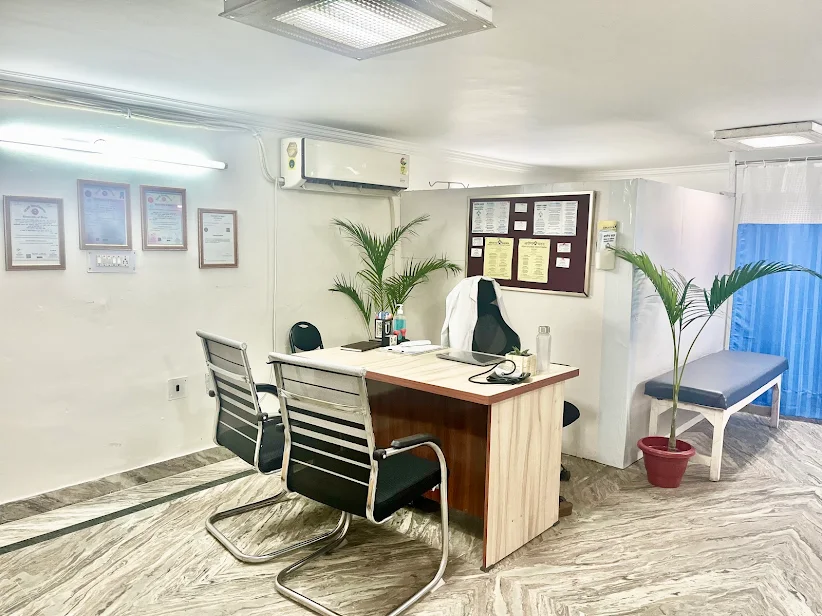
Managing a long-term health condition requires regular medical attention, consistent monitoring, and practical lifestyle changes. People looking for Chronic Health Conditions Treatment in Noida Sector 22 often need support with conditions such as diabetes, high blood pressure, thyroid disorders, arthritis, asthma, and cardiovascular problems.
Chronic conditions often require ongoing care rather than a single consultation. A structured treatment plan helps patients understand their condition, follow prescribed medicines, monitor symptoms, and maintain daily activities. The approach depends on the diagnosis, severity of symptoms, medical history, and individual healthcare needs.
Chronic diseases affect people differently. Proper assessment helps determine the appropriate treatment and follow-up schedule.
Diabetes requires regular monitoring of blood glucose levels and attention to nutrition, physical activity, and medication. A healthcare professional reviews blood sugar readings and HbA1c results to assess glucose control and recommend suitable adjustments to the treatment plan.
Hypertension often develops without noticeable symptoms. Regular blood pressure checks, prescribed medicines, dietary improvements, and appropriate physical activity help manage the condition. Consistent monitoring also helps reduce the risk of complications.
Thyroid conditions affect several body functions, including energy levels, metabolism, and weight regulation. Blood tests and medical assessments help determine the type of thyroid disorder and guide treatment. Patients should follow the prescribed medication schedule and attend recommended reviews.
Long-term respiratory conditions require symptom monitoring and appropriate medication. A clinician assesses breathing difficulties, identifies potential triggers, and reviews inhaler technique where relevant. Sudden or severe breathing difficulty requires urgent medical attention.
Arthritis and other chronic joint conditions might cause pain, stiffness, and reduced mobility. Treatment plans often include medication, suitable exercise, physiotherapy, and practical advice on managing daily activities.
Effective chronic care involves more than treating symptoms during occasional visits. It focuses on ongoing assessment and coordinated healthcare.
The initial consultation includes a review of symptoms, medical history, current medicines, previous investigations, and family health history. The clinician might recommend laboratory tests or other investigations to clarify the diagnosis and assess disease control.
Patients with chronic conditions often take medicines for extended periods. Regular reviews help assess treatment effectiveness, identify possible side effects, and check for interactions between medicines. Patients should not change or stop prescribed medication without consulting their healthcare professional.
Healthy routines support the management of many chronic conditions. Recommendations might include balanced meals, regular physical activity, adequate sleep, stress management, and avoiding tobacco. The specific plan should reflect the patient's diagnosis and physical abilities.
Follow-up visits help track symptoms, review test results, and assess progress towards treatment goals. Keeping a record of blood pressure readings, blood glucose measurements, symptoms, and medication use helps make these appointments more productive.
Seeking professional care for long-term conditions offers several important benefits:
Better symptom control: Monitor changes and address concerns promptly.
Early identification of complications: Use appropriate examinations and tests to assess health risks.
Consistent treatment: Maintain a clear medication and follow-up routine.
Improved daily functioning: Receive practical guidance for managing health alongside work and family responsibilities.
Informed health decisions: Understand treatment options and participate in care planning.
Regular medical care does not guarantee that complications will be prevented, but appropriate monitoring and treatment help manage risks and support better health outcomes.
Look for a qualified healthcare professional with experience in managing relevant long-term conditions. Consider consultation availability, access to appropriate diagnostic tests, communication, and follow-up arrangements.
Residents of Noida Sector 22 and nearby areas should seek medical advice if symptoms change, medicines cause unexpected side effects, or existing conditions become difficult to manage. Severe chest pain, sudden weakness on one side of the body, or serious breathing difficulty requires emergency care.
Diabetes, hypertension, thyroid disorders, asthma, arthritis, and several cardiovascular conditions often require ongoing monitoring and treatment.
The follow-up schedule depends on the condition, its severity, treatment response, and the patient's overall health. The treating clinician should recommend an appropriate review interval.
Yes. Suitable dietary habits, regular physical activity, adequate sleep, and avoiding tobacco support the management of many chronic conditions alongside prescribed medical treatment.
Chronic Health Conditions Treatment in Noida Sector 22 focuses on regular medical assessment, appropriate treatment, symptom monitoring, and sustainable lifestyle changes. Consistent follow-up and communication with a qualified healthcare professional help patients manage long-term health needs more effectively.