Previous
Next
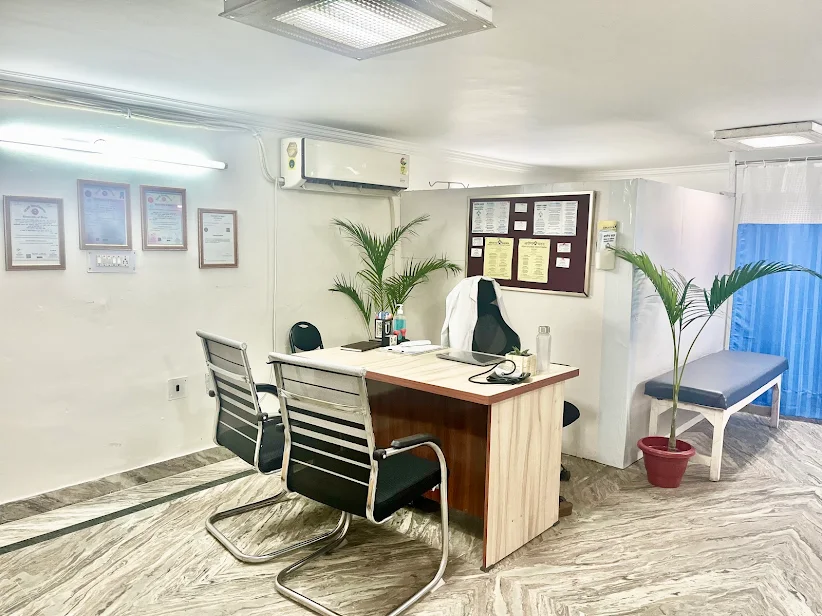
Finding a qualified Panchkarma Specialist in Noida Sector 11 helps individuals explore traditional Ayurvedic therapies under professional supervision. Panchakarma is a group of specialised procedures described in Ayurveda that aim to support health through personalised assessment, therapeutic techniques, and appropriate aftercare.
People often explore Panchakarma for wellness support, stress management, digestive concerns, and certain chronic health complaints. The suitability of treatment depends on an individual's health, age, medical history, and current symptoms. A qualified Ayurvedic practitioner assesses these factors before recommending any procedure.
Panchakarma refers to a set of traditional Ayurvedic purification and therapeutic procedures. Treatment plans differ according to the practitioner's assessment and the patient's individual requirements.
An initial consultation involves reviewing medical history, daily habits, diet, and current health concerns. The practitioner uses this information to determine whether Panchakarma is appropriate and which procedures require consideration.
Depending on the treatment plan, Panchakarma procedures might include Vamana, Virechana, Basti, Nasya, and Raktamokshana. These procedures have different indications and are not suitable for everyone. Their use requires careful clinical assessment and qualified supervision.
Abhyanga is a traditional Ayurvedic oil massage used in certain wellness routines. Other supportive therapies might include selected forms of fomentation and relaxation practices. The choice of therapy depends on the individual's needs and the practitioner's recommendations.
Individuals seeking a Panchkarma Specialist in Noida Sector 11 might be interested in several aspects of traditional wellness care.
Dietary guidance and selected Ayurvedic practices are sometimes incorporated into wellness plans for digestive discomfort. Persistent abdominal pain, vomiting, blood in the stool, or unexplained weight loss requires appropriate medical evaluation.
Some Ayurvedic wellness programmes include massage, relaxation practices, and structured daily routines. These approaches might support relaxation, although they should not replace evidence-based treatment for diagnosed mental or physical health conditions.
Ayurvedic practitioners often discuss meal routines, sleep habits, physical activity, and daily self-care. Practical lifestyle changes should reflect the person's nutritional needs, medical conditions, and overall health.
A professional consultation helps individuals understand traditional Ayurvedic options and their suitability.
Individual assessment: Review health history and current concerns before treatment.
Structured treatment planning: Understand the proposed procedures and duration.
Dietary guidance: Receive advice suited to personal needs and treatment goals.
Professional supervision: Discuss possible side effects, precautions, and aftercare.
Follow-up support: Review progress and adjust the plan where appropriate.
Panchakarma procedures are not risk-free. Some involve medicines, fasting, purgation, enemas, or other interventions that require particular caution. People who are pregnant, elderly, medically vulnerable, or living with chronic illnesses should receive careful assessment before treatment. Do not stop prescribed medicines or delay necessary medical care in favour of Ayurvedic procedures.
Before selecting a practitioner, check their recognised qualifications, clinical experience, hygiene practices, and approach to patient safety. Ask about the purpose of each recommended procedure, possible risks, expected outcomes, and any additional costs.
Residents of Noida Sector 11 and nearby areas should choose a practitioner who explains treatment options clearly and respects informed consent. Responsible Ayurvedic care includes recognising situations that require referral to a qualified medical specialist.
Panchakarma consists of traditional Ayurvedic procedures used within individualised treatment plans. The appropriate purpose and expected benefits depend on the procedure and the patient's health.
No. Suitability depends on age, medical history, current health, and the specific procedure. A qualified practitioner should assess the risks before treatment begins.
The duration varies according to the treatment plan and individual needs. The practitioner should explain the proposed schedule, preparation, and aftercare during the consultation.
A Panchkarma Specialist in Noida Sector 11 helps individuals understand traditional Ayurvedic procedures and explore suitable wellness options. A careful assessment, qualified supervision, clear communication, and appropriate medical precautions are essential for responsible treatment planning.