Previous
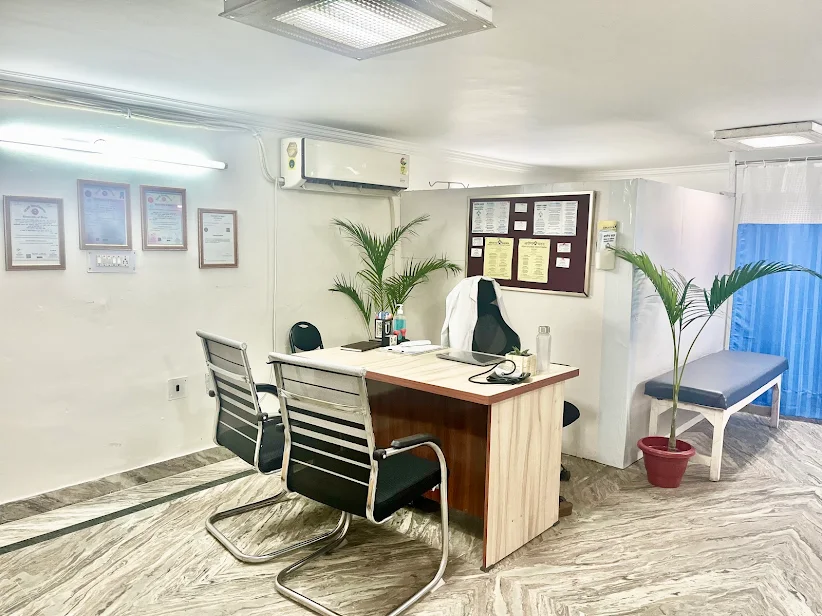
The liver plays an important role in digestion, nutrient processing, metabolism, and the removal of waste products from the body. Maintaining liver health is essential for overall well-being. People searching for Liver Disorders Treatment in Noida Sector 25 often need medical guidance for fatty liver disease, hepatitis, abnormal liver function tests, or other liver-related concerns.
Liver disorders sometimes develop without noticeable symptoms during the early stages. Regular medical assessments, appropriate diagnostic tests, and timely treatment help identify potential problems and guide further care. The treatment approach depends on the underlying cause, the severity of the condition, and the patient's medical history.
Different liver conditions affect the body in different ways. Accurate diagnosis helps determine the appropriate treatment.
Fatty liver disease involves excess fat accumulation in liver cells. Metabolic risk factors, including obesity, diabetes, and abnormal cholesterol levels, are associated with some forms of fatty liver disease. Management often includes appropriate dietary changes, physical activity, weight management where indicated, and treatment of associated medical conditions.
Hepatitis refers to inflammation of the liver. It might result from viral infections, certain medicines, alcohol-related injury, or other causes. Medical evaluation helps identify the cause and determine whether specific treatment, monitoring, or further investigations are required.
Changes in liver enzyme levels or other liver-related blood test results might indicate several conditions. Abnormal results do not automatically confirm liver disease. A clinician reviews the results alongside symptoms, medicines, alcohol exposure, and medical history before recommending further assessment.
Long-term alcohol exposure is associated with several forms of liver injury. Treatment depends on the extent of damage and the patient's overall health. Medical support, avoiding alcohol, and addressing related health concerns are important parts of management.
Some liver disorders require long-term monitoring to assess liver function and identify complications. Regular follow-up helps clinicians review test results, evaluate symptoms, and coordinate specialist care where necessary.
A comprehensive liver health assessment focuses on diagnosis, treatment planning, and appropriate monitoring.
The healthcare professional reviews symptoms, medical history, current medicines, family history, and relevant lifestyle factors. Symptoms such as persistent fatigue, abdominal discomfort, or unexplained changes in appetite require evaluation when they continue or worsen.
Blood tests help assess liver enzymes, bilirubin, and other indicators of liver function. Depending on the initial findings, the clinician might recommend additional blood tests, ultrasound imaging, or other investigations.
For people with fatty liver disease, treatment often addresses associated conditions such as diabetes, high cholesterol, and excess body weight. Personalised nutrition guidance and regular physical activity form part of many management plans.
Follow-up appointments help track changes in symptoms and laboratory results. A gastroenterologist or hepatologist might be required for complex liver conditions, suspected advanced disease, or specialist treatment.
Seeking appropriate medical care offers several important benefits:
Early assessment: Investigate abnormal test results and persistent symptoms.
Cause-specific treatment: Select management based on the diagnosed condition.
Risk factor control: Address diabetes, cholesterol abnormalities, and other relevant concerns.
Regular monitoring: Track liver health through appropriate follow-up tests.
Specialist coordination: Obtain additional evaluation for complex or advanced conditions.
Patients should share information about prescription medicines, over-the-counter products, herbal preparations, and supplements with their healthcare professional. Some substances affect liver health, and certain supplements might cause liver injury.
Choose a qualified healthcare provider who offers appropriate assessment, explains test results, and recommends evidence-based treatment. Consider clinical experience, access to diagnostic facilities, follow-up arrangements, and referral options for specialist care.
Residents of Noida Sector 25 and nearby areas should seek medical advice for persistent abdominal discomfort, unexplained fatigue, or abnormal liver test results. Yellowing of the eyes or skin, especially with dark urine, requires prompt medical assessment. Confusion, vomiting blood, or severe abdominal swelling requires emergency care.
Possible signs include fatigue, abdominal discomfort, jaundice, dark urine, nausea, and swelling of the abdomen or legs. Some liver conditions produce few or no symptoms in their early stages.
A clinician might recommend liver function blood tests, viral hepatitis tests, ultrasound imaging, or additional investigations according to symptoms and medical history.
Lifestyle changes, including balanced nutrition, suitable physical activity, and weight management where appropriate, help many people with fatty liver disease. Additional treatment and monitoring depend on the individual's condition.
Liver Disorders Treatment in Noida Sector 25 focuses on identifying liver-related concerns, assessing underlying causes, and developing suitable treatment and monitoring plans. Timely consultation and regular follow-up help patients make informed decisions about liver health.