Previous
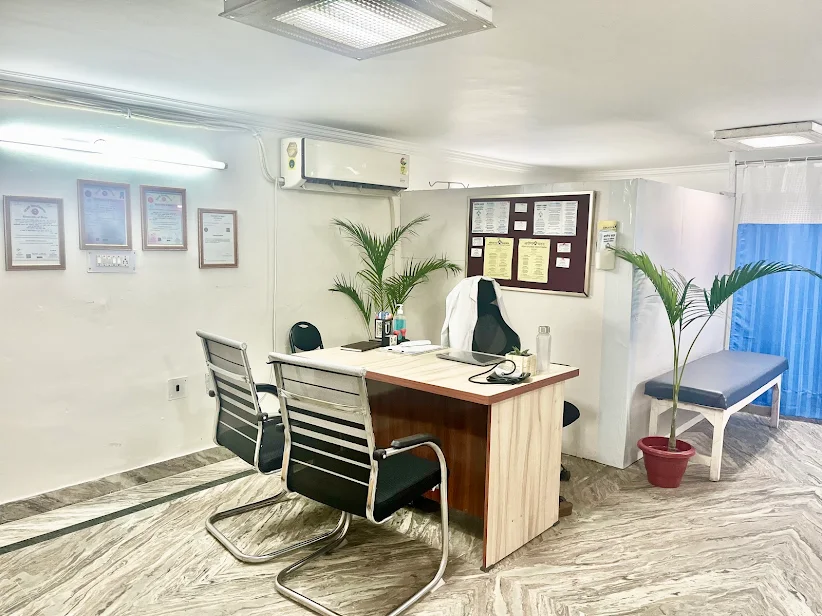
Modern routines often involve long working hours, limited physical activity, irregular meals, and insufficient sleep. Over time, these habits, along with genetic and environmental factors, might contribute to health concerns that require ongoing medical attention. Lifestyle Disorders Management in Noida Sector 26 focuses on identifying risk factors and developing practical plans to support better long-term health.
Lifestyle-related conditions include type 2 diabetes, high blood pressure, obesity, abnormal cholesterol levels, and certain cardiovascular disorders. These conditions often require a combination of medical treatment, regular monitoring, and sustainable lifestyle changes. Early assessment helps individuals understand their health status and take suitable steps towards managing identified risks.
Understanding common lifestyle-related conditions helps individuals recognise the importance of preventive care and timely consultation.
Type 2 diabetes affects the body's ability to regulate blood glucose effectively. Risk factors include family history, excess body weight, and physical inactivity. Management involves monitoring blood sugar, following a suitable dietary plan, staying physically active, and taking prescribed medicines when required.
Hypertension increases the risk of heart disease, stroke, and kidney complications. Since it often causes no noticeable symptoms, regular blood pressure checks are important. A healthcare professional recommends appropriate lifestyle changes, monitoring, and medication based on individual needs.
Excess body weight is associated with several health conditions, including diabetes, joint problems, and cardiovascular disease. A structured weight management programme focuses on balanced nutrition, suitable physical activity, behavioural changes, and realistic goals rather than extreme dieting.
Abnormal cholesterol levels contribute to the development of cardiovascular disease. A lipid profile helps assess cholesterol levels, while the clinician considers other risk factors before recommending lifestyle measures or medication.
Prolonged stress and inadequate sleep affect daily functioning and might contribute to unhealthy eating patterns and reduced physical activity. Practical routines, regular exercise, relaxation techniques, and appropriate professional support help address these concerns.
Effective management begins with an assessment of the patient's current health, habits, and risk factors.
The clinician reviews medical history, family history, body weight, blood pressure, dietary patterns, physical activity, and sleep habits. Depending on the findings, relevant tests such as blood glucose, HbA1c, and a lipid profile might be recommended.
Balanced nutrition plays an important role in managing many lifestyle-related conditions. A practical plan might include vegetables, fruits, whole grains, pulses, lean protein sources, and appropriate portion sizes. Recommendations should reflect medical conditions, food preferences, and nutritional requirements.
Regular physical activity supports cardiovascular health, glucose regulation, and weight management. Walking, cycling, swimming, and suitable strength exercises are options for many adults. Individuals with existing medical conditions should discuss safe activity levels with their healthcare professional.
Regular reviews help assess progress, monitor test results, and adjust treatment where necessary. Patients with diabetes, hypertension, or high cholesterol should continue prescribed medication and follow their clinician's monitoring schedule.
A structured approach offers several practical benefits:
Risk identification: Assess health indicators and recognise potential concerns.
Personalised guidance: Develop a plan suited to individual needs and circumstances.
Better condition management: Monitor blood sugar, blood pressure, and cholesterol levels.
Sustainable habit changes: Build realistic routines around food, activity, and sleep.
Long-term monitoring: Review progress and adjust care according to medical findings.
Lifestyle management is not about following a perfect routine every day. Consistent, manageable changes often provide a more practical foundation for long-term health than restrictive diets or sudden, intensive exercise programmes.
Look for a qualified healthcare provider who evaluates individual risk factors and explains treatment recommendations clearly. Consider clinical qualifications, diagnostic facilities, follow-up support, and the provider's approach to realistic lifestyle planning.
Residents of Noida Sector 26 and nearby areas should seek medical advice for persistent fatigue, unusual thirst, frequent urination, or unexplained weight changes. Regular screening is especially important for individuals with a family history of diabetes or cardiovascular disease. Chest pain, severe breathing difficulty, or sudden neurological symptoms require emergency medical attention.
Common examples include type 2 diabetes, hypertension, obesity, abnormal cholesterol levels, and certain cardiovascular conditions. Genetics and other factors also influence the development of these disorders.
Lifestyle changes are important, but some people also require prescribed medication and regular medical monitoring. Treatment depends on the condition and its severity.
Health screening helps identify risk factors such as elevated blood pressure, abnormal blood sugar, and high cholesterol, sometimes before noticeable symptoms develop.
Lifestyle Disorders Management in Noida Sector 26 focuses on preventive healthcare, personalised lifestyle guidance, medical treatment, and regular monitoring. A balanced approach helps individuals address health risks and build sustainable habits that support long-term well-being.